Support Animals Explained
Therapy Animals
Therapy animals bring comfort, encouragement, and connection to many people in group settings. They are an important part of healing, though they are not the same as service animals.

What Therapy Animals Do
Legal Status
Therapy animals are not considered service animals under the Americans with Disabilities Act. They do not have the same public access rights as service animals and are not automatically permitted in businesses, healthcare facilities, restaurants, or other public spaces.
At CompDrug
We appreciate the important role therapy animals play in supporting recovery and emotional wellness. However, therapy animals are not permitted in our facilities unless they are participating in an approved CompDrug program or event.
Emotional Support Animals
Emotional Support Animals provide comfort and emotional support to individuals with mental or emotional health conditions.

What Emotional Support Animals Do
Legal Status
Emotional Support Animals are not considered service animals under the Americans with Disabilities Act. While ESAs may qualify for certain housing protections under federal law, they do not have public access rights that allow them to accompany their owner into businesses, healthcare facilities, restaurants, or other public places.
At CompDrug
We recognize that emotional support animals can play an important role in a person’s well-being. However, Emotional Support Animals are not permitted in our facilities because they are not recognized as service animals under the ADA.
Service Animals
Service animals are trained to perform specific tasks for individuals with disabilities. They are protected under the law and allowed to accompany their handlers in most public places.
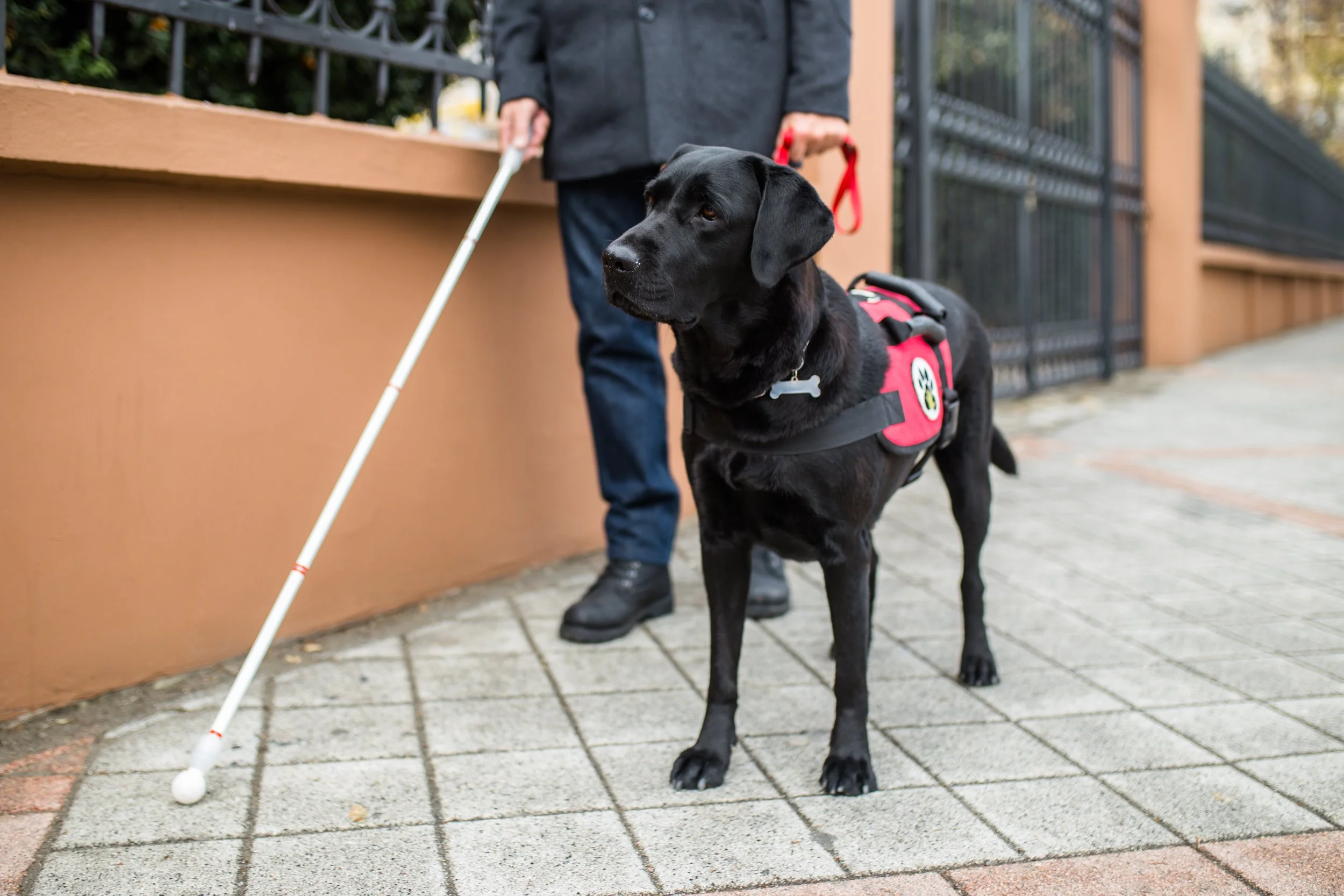
What Is a Service Animal?
Under the Americans with Disabilities Act, a service animal is a dog that has been individually trained to do work or perform tasks for a person with a disability.
- Guiding individuals who are blind
- Alerting individuals who are deaf
- Retrieving items
- Providing mobility assistance
- Alerting to seizures or medical conditions
- Interrupting or responding to psychiatric disabilities
What Businesses May Ask
When it is not obvious that a dog is a service animal, staff may ask only two questions:
- Is the dog required because of a disability?
- What work or task has the dog been trained to perform?
When a Service Animal May Be Removed
A business may ask a service animal to leave if:
- The animal is out of control and the handler does not take effective action.
- The animal is aggressive or poses a direct threat to health or safety.
- The animal is not housebroken.
At CompDrug
CompDrug welcomes individuals accompanied by ADA-compliant service animals. To ensure a safe environment for all patients and staff, service animals must remain under the control of their handler at all times and may be asked to leave if they become disruptive, aggressive, or create a safety concern.